There is no separate “espresso bean.” Espresso is a brewing method — forcing hot water through finely ground, compacted coffee at ~9 bars of pressure — and any coffee can be brewed that way. Beans sold as espresso are roasted and blended to taste good through the method: darker roast, lower acidity, oily surface. The beans come from the same plant and process.
As an Amazon Associate we earn from qualifying purchases. Prices and availability change — the links below go to Amazon.
Quick picks — all three
Key Takeaways
- Espresso beans and coffee beans are the same plant – the difference is roast and blend, not species.
- A bag labelled espresso is not required for espresso, and an espresso bag is fine in a drip maker once the grind matches the brewer.
- The three beans shown run $14.97 to $26.99, with listing ratings of 4.3, 4.5 and 4.7 and review counts from 6,600 to 43,100.
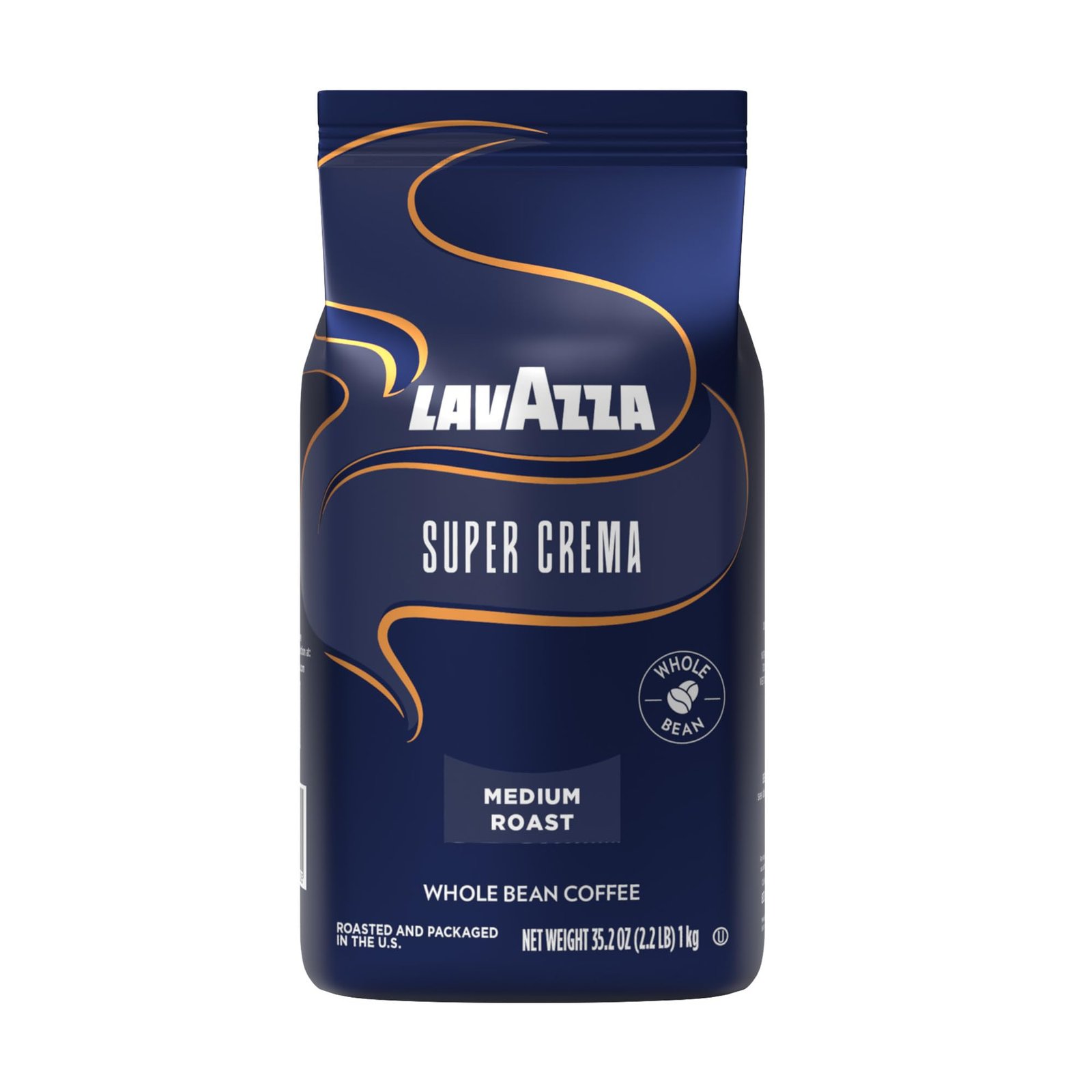
1. Lavazza Super Crema Whole Bean Coffee, Medium Espresso Roast
Why this product is good for you
Super Crema is the bag that answers the question this whole guide is built around: it is sold as an espresso roast, and 4.5 stars across 43,100 ratings makes it one of the most-vetted espresso beans in the country.
What makes it work in both directions is the blend — Arabica with a share of Robusta, which is what builds crema and body under pressure. Brewed in a drip machine it comes out heavier than a bright single origin, and that is the trade to know before buying.
Key features
- Verified listing price: $26.99 (checked at fetch time)
- Rated 4.5/5 across 43,100 ratings on Amazon at fetch time
- Whole bean, medium espresso roast
- Arabica/Robusta blend listed on the bag
Pros
- Largest rating base of the three beans here
- Behaviour is documented by years of café use, not just home kitchens
- Forgiving in a home machine at a range of doses
Cons
- Not a bright, fruity cup if that is what you are after
- A blend, so single-origin character is not the point
Who it’s for
Anyone pulling shots at home who wants one bag actually labelled for it.
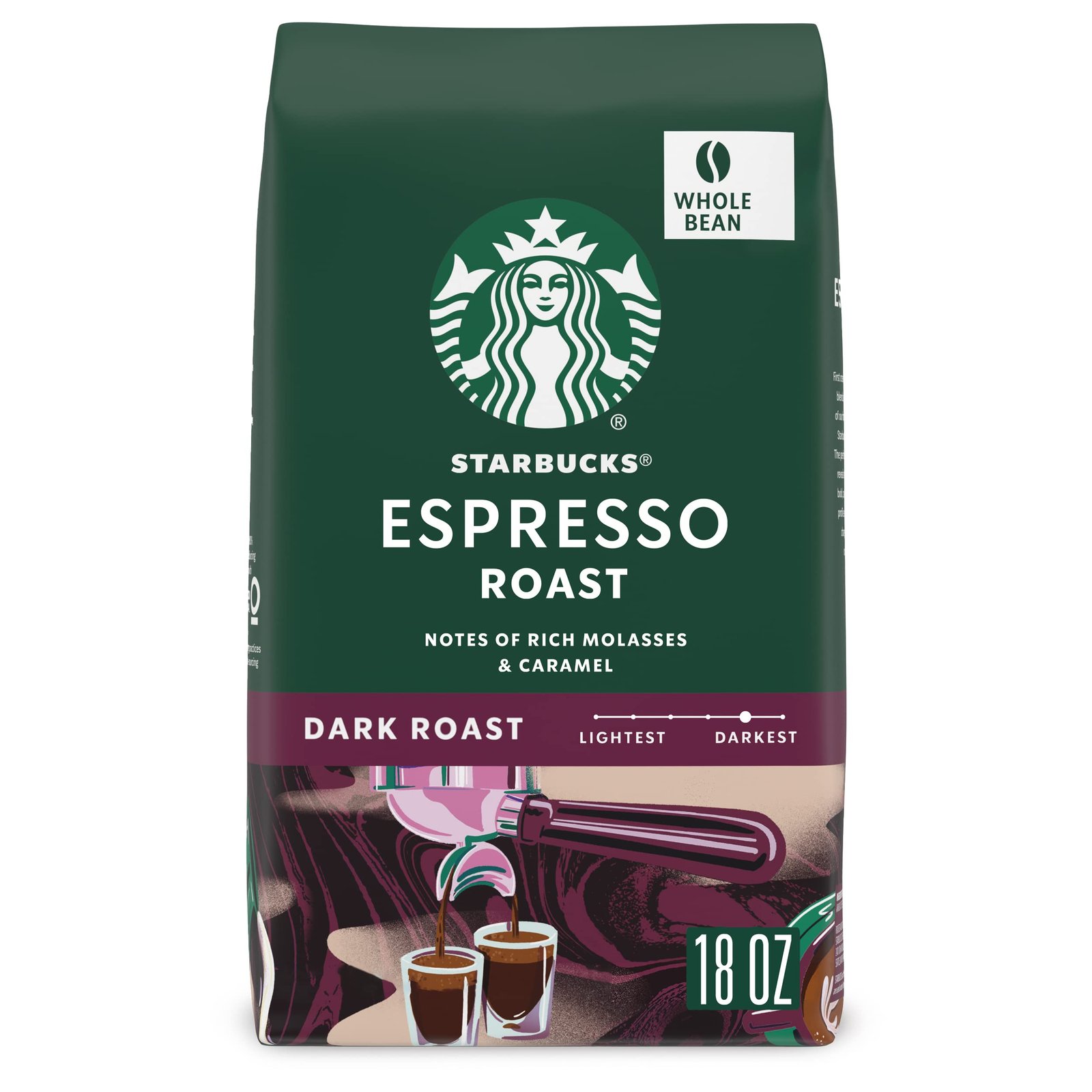
2. Starbucks Whole Bean Coffee, Dark Roast, Espresso Roast, 100% Arabica
Why this product is good for you
$14.97 for a bag carrying 4.7 stars across 6,600 ratings is the cheapest way to find out whether it has been your machine rather than your grinder letting you down.
It is a dark roast, which is the flavour most people hear in the word espresso — low acid, caramel, a little smoke. Dark also means the roast survives milk, which is why this is the bag for lattes rather than straight shots.
Key features
- Verified listing price: $14.97 (checked at fetch time)
- Rated 4.7/5 across 6,600 ratings on Amazon at fetch time
- Dark espresso roast, 100% Arabica
- Widely stocked, so restocking is not an event
Pros
- Lowest price of the three bean picks
- Highest rating of the three bean picks
- Easy to find again when it runs out
Cons
- Dark roast masks origin character
- Grocery-channel freshness dates vary bag to bag
Who it’s for
Milk-drinkers, and anyone starting espresso without spending hobby money.
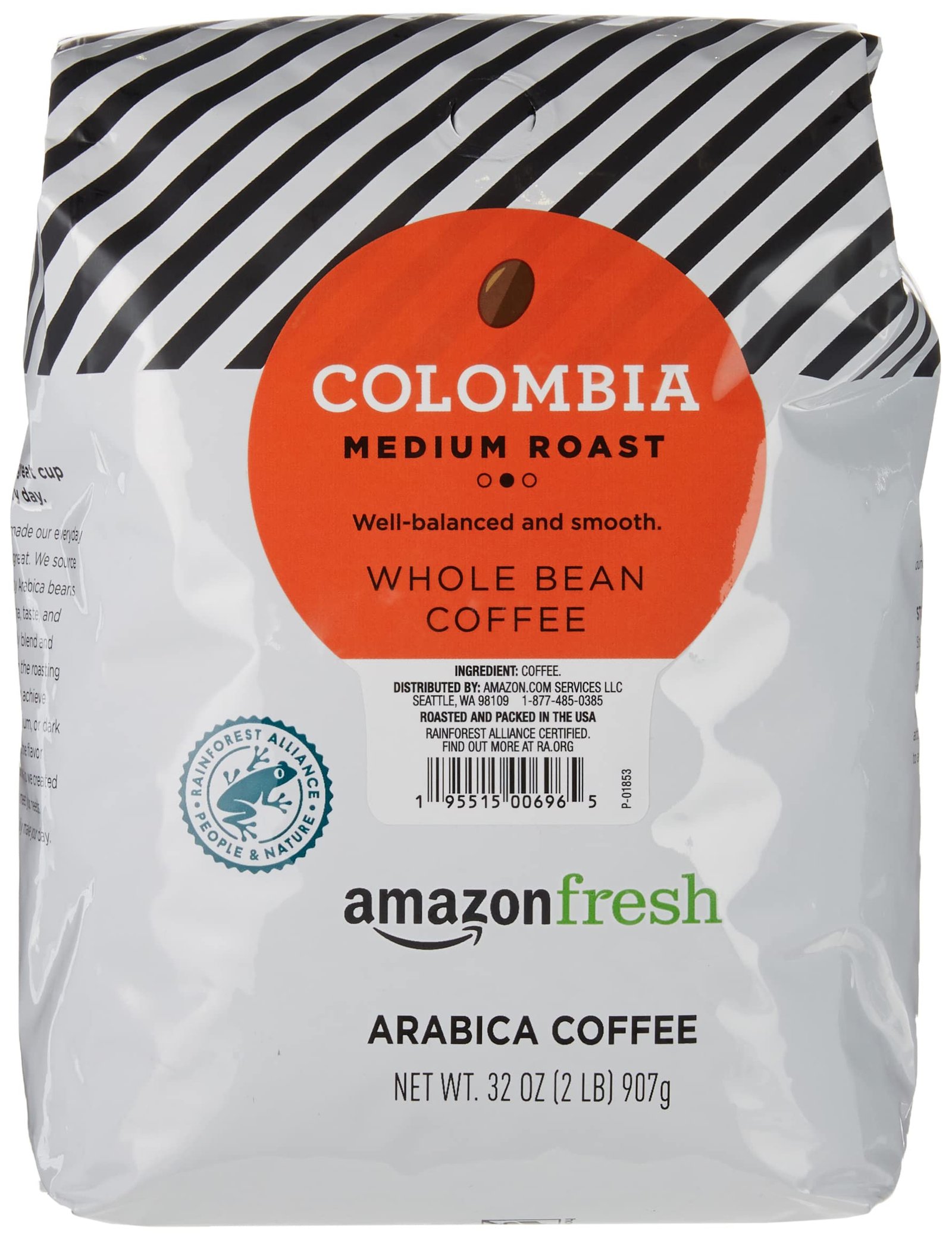
3. Amazon Fresh Colombia Whole Bean Coffee, Medium Roast, 32 Oz
Why this product is good for you
This is the control in the experiment: a 32-ounce medium-roast Colombian sold as everyday coffee, with no espresso claim anywhere on the bag. As drip it does precisely what a drip bean should.
Put the same grounds through a portafilter and the thin crema and lighter body are the lesson this guide keeps making. At $17.05 across 12,700 ratings it is also the cheapest bag per ounce here — the point is not that non-espresso beans are bad, it is that they are built for a different brew.
Key features
- Verified listing price: $17.05 (checked at fetch time)
- Rated 4.3/5 across 12,700 ratings on Amazon at fetch time
- 32 ounces, medium roast, whole bean
- Sold as everyday coffee, not as an espresso roast
Pros
- Cheapest per ounce of the three
- A large, honest rating base for a house brand
- Useful as the side-by-side comparison bag in the kitchen
Cons
- No espresso roast claim, so expect a thin shot
- Medium roast reads flat as a straight espresso
Who it’s for
The household that brews drip most days and only occasionally wants a shot.
Where the Confusion Comes From
Walk a grocery aisle and you’ll find bags labeled “espresso” sitting beside bags labeled “coffee.” It reads like a different ingredient, so the reasonable question follows: is the plant different? The answer is no — and the labeling is doing exactly what marketing labels do, which is describing a use, not a species.
Search demand backs this up: “are espresso beans and coffee beans the same,” in every phrasing people use, gets searched thousands of times a month, and the direct answers (specialty-coffee education sites, manufacturer FAQs, and the coffee subreddits) all agree on the same core fact. So here’s the long-form answer, with the nuance that makes it useful.
What Actually Makes a Bean an “Espresso Bean”
Roasters build espresso profiles around what espresso brewing does to flavor:
- Darker, longer roast. Espresso extraction is fast, hot, and intense — a darker roast survives it with body intact instead of turning sour or thin, like a lightly-roasted single origin often does.
- Blend over single-origin. Espresso blends balance a bright bean with a body-heavy one, because consistency shot-to-shot matters more than highlighting one farm’s character.
- Oily surface by design. Longer roasting pushes oils to the bean’s surface — helpful for crema, the golden foam on a well-pulled shot.
- Freshness is non-negotiable. Espresso forgives staleness less than drip; CO₂ loss in old beans shows up as flat, weak crema within weeks of roasting.
Put a Kenyan light roast through an espresso machine and you can absolutely pull a shot — modern third-wave shops do exactly that. But the machine doesn’t automatically make it taste good; the roast and blend have to be engineered for it. That engineering is what you’re buying in an espresso-labeled bag.
Can You Brew Espresso Beans in a Regular Coffee Maker?
Yes, and plenty of people do — with the note that the grind must change, not the beans. Espresso-labeled whole beans ground medium-coarse for drip or a French press brew into a rich, dark, full-bodied cup with low acidity — fuller than most “breakfast blend” drip coffee. Some people find it too heavy for their morning taste; that’s preference, not error.
Can You Make Espresso With Regular (Non-Espresso) Beans?
Also yes, with two caveats. Light roasts pull a thinner-bodied, brighter and more acidic shot — some people love it (that’s the whole “single-origin espresso” movement), but it isn’t the syrupy shot espresso blends are built for. And pre-ground drip coffee at your supermarket is ground for drip extraction — far too coarse for espresso. Espresso needs a fine grind, ideally ground seconds before pulling the shot.
| Question | Short answer |
|---|---|
| Same plant? | Yes — arabica or robusta, same cherries, same processing |
| Different roast? | Usually — espresso bags run darker |
| Different blend? | Usually — espresso bags are blends for consistency |
| Required for making espresso? | No — fine grind and pressure matter more |
| Espresso bag used for drip? | Yes, with a drip-appropriate grind |
| Drip bag used for espresso? | Only if whole beans you grind fine — pre-ground drip is too coarse |
The Grinding Truth (This Is What Actually Matters)
If this article changes one habit, make it this: grind matters more than the label. Espresso is the most grind-sensitive brewing method — a 10% change in fineness changes extraction visibly. A dedicated burr grinder upgrades espresso quality more than a machine upgrade does at the same dollar level, which is why every serious espresso guide starts at the grinder, not the machine.
- Espresso grind: powdery-fine, like table salt; 20–30 second shots
- Pour-over grind: sand-like, medium-fine
- Drip grind: medium, like coarse sand
- French press: coarse and flaky
Buying whole beans and grinding fresh — whatever the bag says on the front — beats any pre-ground “espresso” bag that’s been on a shelf for months.
Coffee vs. Espresso: How the Drink Actually Differs
Espresso isn’t a different bean, and it isn’t even a different species of caffeine — it’s a different extraction. A 1-ounce shot concentrates roughly the caffeine of a 3–4 oz drip serving in far less liquid; by volume espresso tastes far stronger, but per serving it’s roughly comparable, and a double shot in a latte has similar caffeine to a mug of drip. The differences you actually taste: espresso’s crema, thickness, and low-acid body versus drip’s clarity and aromatic brightness.
Why beans are sold as “espresso” anyway (the roast curve)
Roasters push espresso-labeled beans darker and often blend Robusta in deliberately, because espresso brewing concentrates everything — including defects. A light roast that tastes floral as pour-over can turn sharp and hollow under 9 bars of pressure; a darker roast with a little Robusta produces the thick body and stable crema the drink is known for. The label is the roaster telling you what the bean was engineered for — a recipe choice, like flour blends for bread vs cake.
How many espresso beans equal a cup of coffee
By weight the stake is the same: a standard double espresso uses 18–20 g, and an 8-oz drip cup uses about 15 g. So an “espresso cup” of coffee actually holds more ground coffee per ounce than drip — espresso is not stronger because the beans differ, but because the water-to-coffee ratio is far lower (roughly 1:2 versus 1:16).
Is espresso or drip coffee healthier?
Per fluid ounce, espresso has far more caffeine; per typical serving, a double shot has roughly 60–80 mg against 95–165 mg in an 8-oz drip cup. Unfiltered methods (espresso included) retain cafestol and kahweol, the coffee oils associated with small LDL cholesterol changes; paper filters catch them in drip. If cholesterol is a concern, drip is the gentler daily driver; if portion control is the concern, the small espresso serving wins.
The grind size ladder (why this matters more than the bag)
- Fine, powdery — espresso machine (30-second forced extraction)
- Medium-fine — moka pot, AeroPress
- Medium — pour-over, drip machines
- Coarse — French press, cold brew
Match the grind to the brewer and any bean “works”: that occupies more of a cup’s quality than the label on the bag ever will.
Crema, Body, and the Robusta Question
Crema is an emulsion of CO₂, oils, and melanoidins that only pressure brewing creates — which is why drip coffee never builds it, whatever the bean. Robusta contributes more of both CO₂ and oils than arabica, so a small Robusta share in the blend is one legitimate reason roasters label a bag for espresso: thicker body, denser crema, more forgiving extraction at 9 bars. The trade is taste: robusta is harsher and more bitter. Specialty single-origin espresso flips the trade — 100% arabica, lighter roast, delicate crema but a narrower window of delicious extraction that rewards precise grinding.
Shopping the Label: What to Look For
- “Espresso roast” — engineered for pressure: darker, often blended, forgiving under extraction.
- “Filtered/general roast” — built for drip and pour-over: brighter acidity, cleaner cup.
- Roast date, not best-before — freshness beats category; beans 7–30 days off roast make better espresso than “espresso”-labeled beans that are six months old.
- Whole bean only — the espresso window depends on grind adjustment in real time; pre-ground locks you into someone else’s guess.
Product Reviews: The Beans Worth Trying
Frequently Asked Questions
Is espresso a type of bean?
No. Espresso is a brewing method. Beans labeled “espresso” are roasted and blended to taste good brewed that way — the beans themselves are ordinary arabica or robusta coffee.
Why does espresso coffee taste stronger?
Because more coffee is extracted into less water. A 30 ml shot concentrates flavor and caffeine much differently than a 240 ml cup of drip — same beans, dramatically different ratio.
Does espresso have more caffeine than coffee?
Per ounce, yes — roughly double. Per serving, it’s comparable: one espresso shot has ~65 mg caffeine versus ~95 mg in an 8 oz drip cup. A double-shot latte has about as much caffeine as that same drip cup.
Is there a difference between coffee beans and espresso beans?
Only roast and blend. The plant, the cherry, the processing, and the green bean are identical — what differs is how the roaster prepared the bean for brewing.
Can I use espresso beans for cold brew or French press?
Yes — grind appropriately and you get a bold, low-acid cup. Some drinkers find it rich enough to skip milk entirely; others dilute it 1:1.
Can any coffee bean be used for espresso?
Yes. Espresso is defined by grind size and brewing pressure, not the bean. Roasters label bags as espresso to signal the roast profile tastes best under pressure, but any fresh bean can pull a shot.
How many espresso beans equal a cup of coffee?
A double shot uses 18–20 g of ground coffee; an 8-oz drip cup uses about 15 g. Coffee for espresso drinks is portioned the same by weight — the drink difference comes from water ratio, not the bean.
Is espresso healthier than regular coffee?
Depends on the metric. Per ounce espresso has more caffeine; per serving, drip usually delivers more. Unfiltered espresso keeps the coffee oils linked to LDL changes that paper-filtered drip catches. Neither is simply healthier.
What grind size should regular coffee use?
Medium for pour-over and drip machines; medium-fine for moka pots and AeroPress. Espresso alone needs the powdery fine grind — the bag’s label doesn’t change the grind your brewer needs.
The Spoonist
Get the deals before they sell out
One email a week. Tested gear, real price drops, one-click unsubscribe.
By subscribing you agree to our Privacy Policy.
🥇 Free: Air Fryer Time & Temp Chart
20 foods in °F & °C, the oven-to-air-fryer converter, and starting-points for Ninja, Cosori, Instant & more. Print it, stick it on the fridge.
Want all 92 foods + the rescue guide? Get the full Chart Pack →
As an Amazon Associate, The Spoonist earns from qualifying purchases. Product prices and availability are accurate as of the date/time indicated on Amazon and are subject to change.