Start with 10 essential gadgets rather than buying 50 you’ll never use
Quality materials (stainless steel, BPA-free) ensure longevity and safety
Ergonomic handles reduce hand fatigue during long cooking sessions
Multi-functional tools save both money and counter space
Dishwasher-safe options make cleanup effortless for busy beginners
A solid chef’s knife is the single most important tool in your kitchen
Last month, my friend Sarah just moved into her first apartment. She was excited to cook but overwhelmed by the thousands of kitchen gadgets on Amazon. She bought 15 random gadgets, most of which broke after two uses or sit unused in her drawer. After watching her frustration, I decided to create this definitive guide so you don’t make the same mistakes. These are the must-have kitchen gadgets that beginners actually need.
Must-Have Kitchen Gadgets for Beginners
The Complete 2026 Guide to Starting Your Kitchen Right
How These Picks Were Screened
Beginner gear has one test: does it remove a real obstacle, or just fill a drawer? Our four gates. Frequency of use: every pick earns its counter or drawer space by being useful weekly, not yearly. Skill amplification: each gadget makes a beginner cook better immediately — a sharp knife, a reliable pan — rather than replacing a skill they haven’t built yet. Durability per dollar: cheap versions of these tools get replaced within a year; we picked the buy-once versions. Availability: everything ships via Amazon with verified listings.
Must-Have Kitchen Gadgets for Beginners: The Complete 2026 Guide
Also read: Looking for kitchen tools specifically for busy moms? Check our guide to the best kitchen tools for busy moms who need quick, reliable gadgets.
Starting your cooking journey can feel overwhelming. Walk into any kitchen store or browse Amazon, and you’ll find thousands of gadgets claiming to be “essential.” But here’s the truth: most kitchen gadgets are a waste of money. You don’t need a strawberry huller, an avocado slicer, or a banana slicer. What you need are versatile, high-quality tools that will grow with your skills.
This guide cuts through the noise. We’ve researched thousands of Reddit discussions, Amazon reviews, YouTube tutorials, and TikTok kitchen hacks to identify the gadgets that beginners actually need. These are the tools that professional chefs recommend, home cooks swear by, and won’t end up collecting dust in your drawer.
Whether you’re a college student cooking for the first time, a new homeowner setting up your kitchen, or someone who wants to stop ordering takeout every night, this guide is for you. If you’re also looking to upgrade your larger appliances, check our guides on the best electric ranges and stoves or the best gas ranges for your kitchen. We’ll cover exactly what to buy, what to skip, and how to use each tool properly.
Let’s transform you from a kitchen beginner into a confident home cook.
Why Starting With the Right Gadgets Matters
The kitchen gadgets you choose as a beginner will shape your entire cooking experience. Here’s what happens when you start with the wrong tools:
Frustration: Dull knives and flimsy tools make simple tasks difficult
Safety hazards: Poor-quality tools are more likely to slip or break
Wasted money: Cheap gadgets break quickly, costing more long-term
Lost motivation: Bad experiences in the kitchen make you want to give up
Conversely, starting with quality essentials builds confidence. When your knife cuts smoothly, your measuring cups are accurate, and your cutting board stays stable, cooking becomes enjoyable rather than stressful.
The good news? You don’t need to spend hundreds of dollars. We’ve found excellent options at every price point, and many of our top picks are under $30.
After analyzing thousands of reviews and consulting with professional chefs, here are the only 10 kitchen gadgets you need to start cooking with confidence.
If you buy only one kitchen gadget, make it a quality chef’s knife. This is the tool you’ll use for 80% of your cutting tasks. A good chef’s knife can chop vegetables, slice meat, crush garlic, and even scoop ingredients off the cutting board.
What to look for:
8-inch blade (the standard size for most cooks)
High-carbon stainless steel for sharpness retention
Full tang construction for balance and durability
Ergonomic handle that feels comfortable in your hand
Pro tip: Visit a kitchen store and hold several knives before buying. The weight and balance should feel natural. What works for one person might not work for another.
Beginner Mistake to Avoid:
Don’t buy a knife set! Most knife sets include 12+ knives when you’ll only use 2-3 regularly. Invest in one excellent chef’s knife instead of a mediocre set.
A good cutting board is essential for knife safety and protecting your countertops. We recommend having at least two: one for raw meat and one for vegetables. This prevents cross-contamination.
Materials explained:
Plastic: Affordable, dishwasher-safe, but can harbor bacteria in deep knife marks
Wood: Gentle on knives, naturally antibacterial, but requires hand washing
Bamboo: Eco-friendly option, harder than wood, but can dull knives faster
Our recommendation: Start with a large (18×12 inch) plastic cutting board with a juice groove. It’s affordable, easy to clean, and provides plenty of space for beginners.
A good non-stick skillet is a beginner’s best friend. It makes cooking eggs, pancakes, fish, and delicate foods nearly foolproof. Cleanup is also incredibly easy—a huge plus when you’re learning.
Size matters: Get a 10-inch or 12-inch skillet. This size works for most recipes and gives you enough room to cook without overcrowding.
What to look for:
PFOA-free non-stick coating (safer for you and the environment)
Oven-safe to at least 400°F for versatility
Stay-cool handle for comfortable cooking
Heavy base for even heat distribution
Care tip: Never use metal utensils on non-stick surfaces. Invest in silicone or wooden spatulas to extend the life of your pan.
4. Measuring Cups and Spoons: Precision Matters
Baking requires precision. Unlike cooking, where you can improvise, baking is chemistry. Too much or too little of an ingredient can ruin your recipe. A good set of measuring cups and spoons eliminates the guesswork.
What you need:
Dry measuring cups: 1/4, 1/3, 1/2, and 1 cup
Liquid measuring cup: 2-cup capacity with clear markings
Measuring spoons: 1/4 tsp, 1/2 tsp, 1 tsp, 1 tbsp
Pro tip: For dry ingredients, use the “spoon and level” method. Spoon the ingredient into the cup, then level off with a knife. Don’t scoop directly from the bag—it packs too much.
5. Mixing Bowls: The Unsung Heroes
Mixing bowls are incredibly versatile. You’ll use them for mixing batters, marinating meats, serving salads, organizing ingredients (mise en place), and even as double boilers for melting chocolate.
Set recommendation: Get a set of 3 nesting bowls (small, medium, large). Stainless steel or glass options are best—both are durable and easy to clean.
Bonus feature: Look for bowls with non-slip bottoms. They stay stable on the counter while you whisk or mix, preventing spills and messes.
6. Wooden Spoon Set: Simple and Effective
Before you buy expensive silicone or specialty utensils, know that a simple wooden spoon is one of the most versatile tools in the kitchen. It won’t scratch your pans, won’t conduct heat, and can handle everything from stirring soup to mixing cookie dough.
Why wooden spoons are great for beginners:
Naturally antibacterial
Won’t melt or damage non-stick surfaces
Affordable (you can get a quality set for under $10)
Last for years with proper care
7. Vegetable Peeler: Fast and Efficient
A good vegetable peeler saves enormous amounts of time. Forget about struggling with a knife to peel potatoes, carrots, or apples. A sharp peeler makes quick work of any produce.
Types to consider:
Swivel peeler: Most common, great for potatoes and carrots
Y-peeler: Ergonomic design, easier on your wrist
Serrated peeler: Best for soft fruits like tomatoes
8. Colander: Drain Without the Drama
Whether you’re draining pasta, rinsing vegetables, or washing berries, a colander is indispensable. Look for one with small holes that won’t let rice or small pasta escape.
Key features:
Stainless steel for durability and easy cleaning
Non-slip handles for safe draining
Small holes to prevent food from escaping
Fits over your sink for hands-free draining
9. Can Opener: Don’t Forget the Basics
It seems obvious, but many beginners overlook a good can opener. Whether you’re opening beans, tomatoes, or coconut milk, a reliable can opener is essential.
What to look for:
Smooth, ergonomic handle for comfortable grip
Cuts along the side (not the top) for safer edges
Built-in bottle opener for convenience
Dishwasher-safe for easy cleanup
10. Kitchen Shears: The Multi-Tool
Kitchen shears (scissors) are surprisingly versatile. Use them to cut herbs, trim fat from meat, open packaging, cut parchment paper, and even spatchcock a chicken. They’re the Swiss Army knife of the kitchen.
Pro tip: Keep your kitchen shears separate from your regular scissors. Kitchen shears handle raw meat and food, so you don’t want to use them for paper or crafts.
Products We Recommend: Detailed Reviews
[Image: Three recommended kitchen gadgets side by side – chef’s knife, mixing bowls, and non-stick pan]
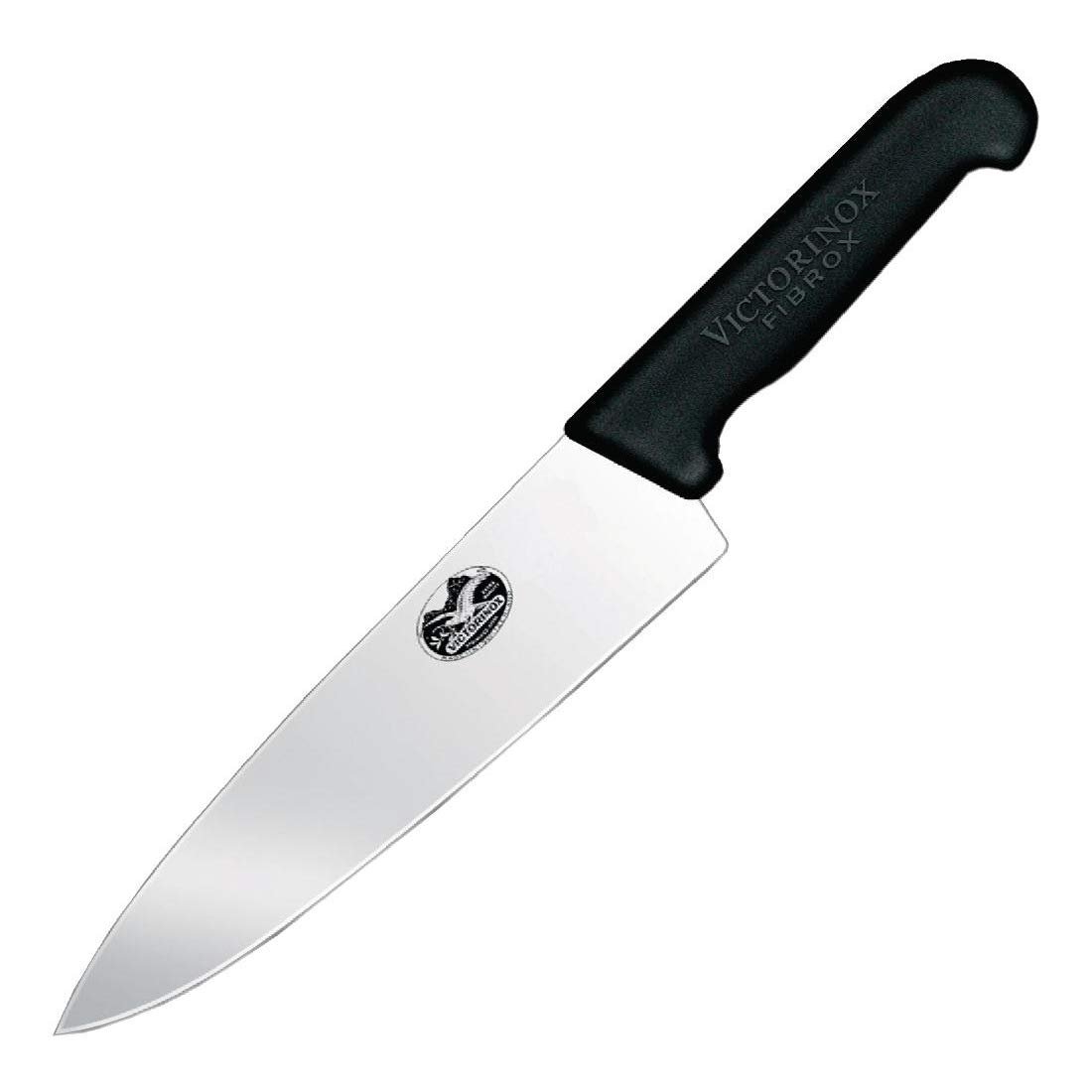
1. Victorinox Fibrox Pro 8″ Chef’s Knife Best Overall
$34.95 ★★★★★ (35,000+ reviews)
The Victorinox Fibrox Pro is the gold standard for beginner chef’s knives. Used in culinary schools worldwide, this knife delivers professional performance at an unbeatable price. The high-carbon stainless steel blade stays sharp, and the ergonomic Fibrox handle provides excellent grip even when wet.
This knife has earned its long-standing reputation among home cooks. It handles everything from delicate herbs to tough root vegetables with ease. The 8-inch blade is the perfect size for most home cooks—not too long to be unwieldy, not too short to be limiting.
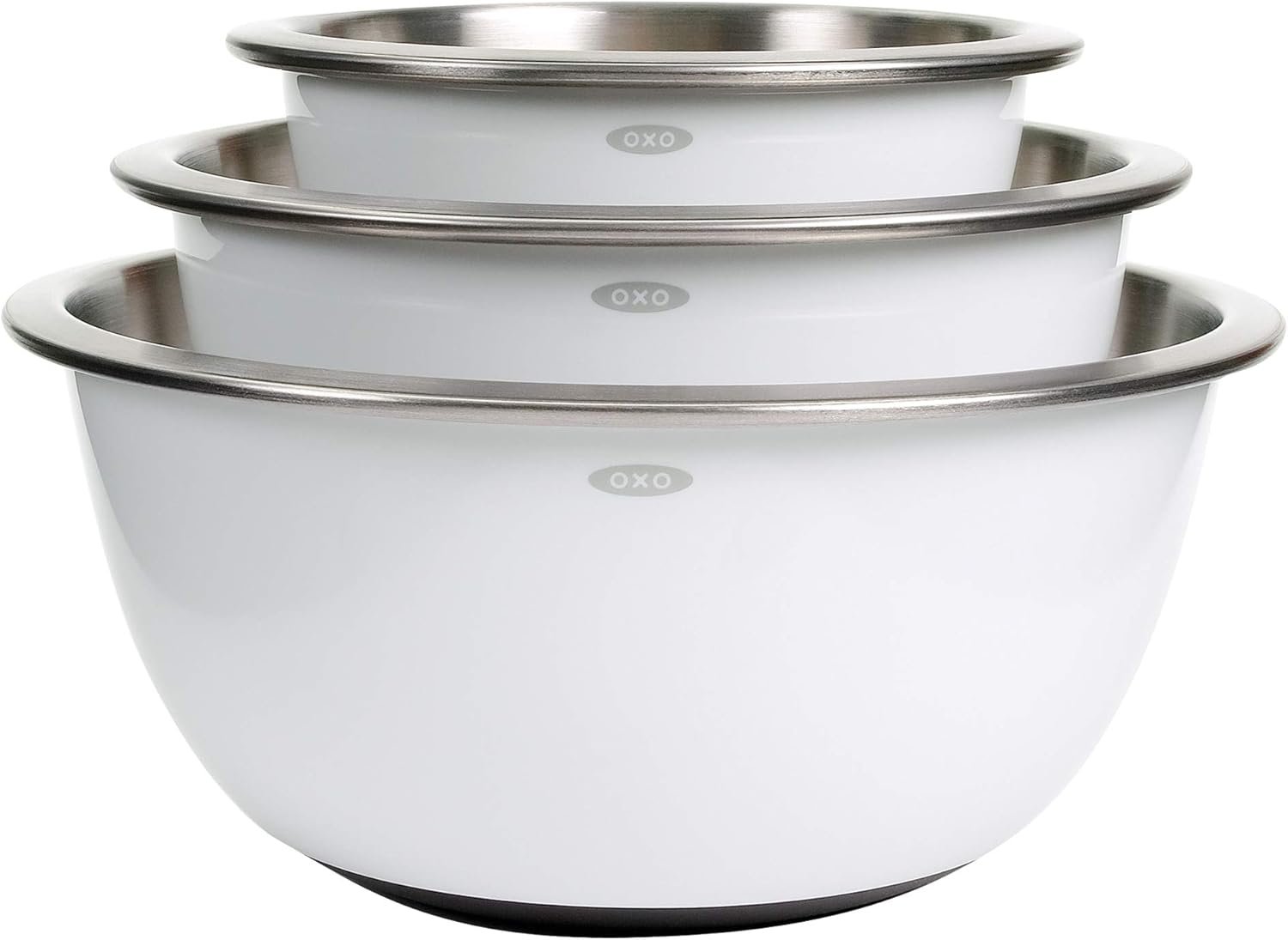
2. OXO Good Grips 3-Piece Mixing Bowl Set Best Value
$24.99 ★★★★★ (8,500+ reviews)
OXO’s mixing bowls are a masterclass in thoughtful design. The non-slip bottoms keep them stable while you mix, and the easy-grip handles make pouring effortless. This 3-piece set includes 1.5-quart, 2.5-quart, and 3.5-quart bowls—perfect for any recipe.
The stainless steel construction is durable and resistant to odors and stains. Unlike plastic bowls, these won’t absorb colors from tomato sauce or curry. They’re also dishwasher-safe, making cleanup a breeze.
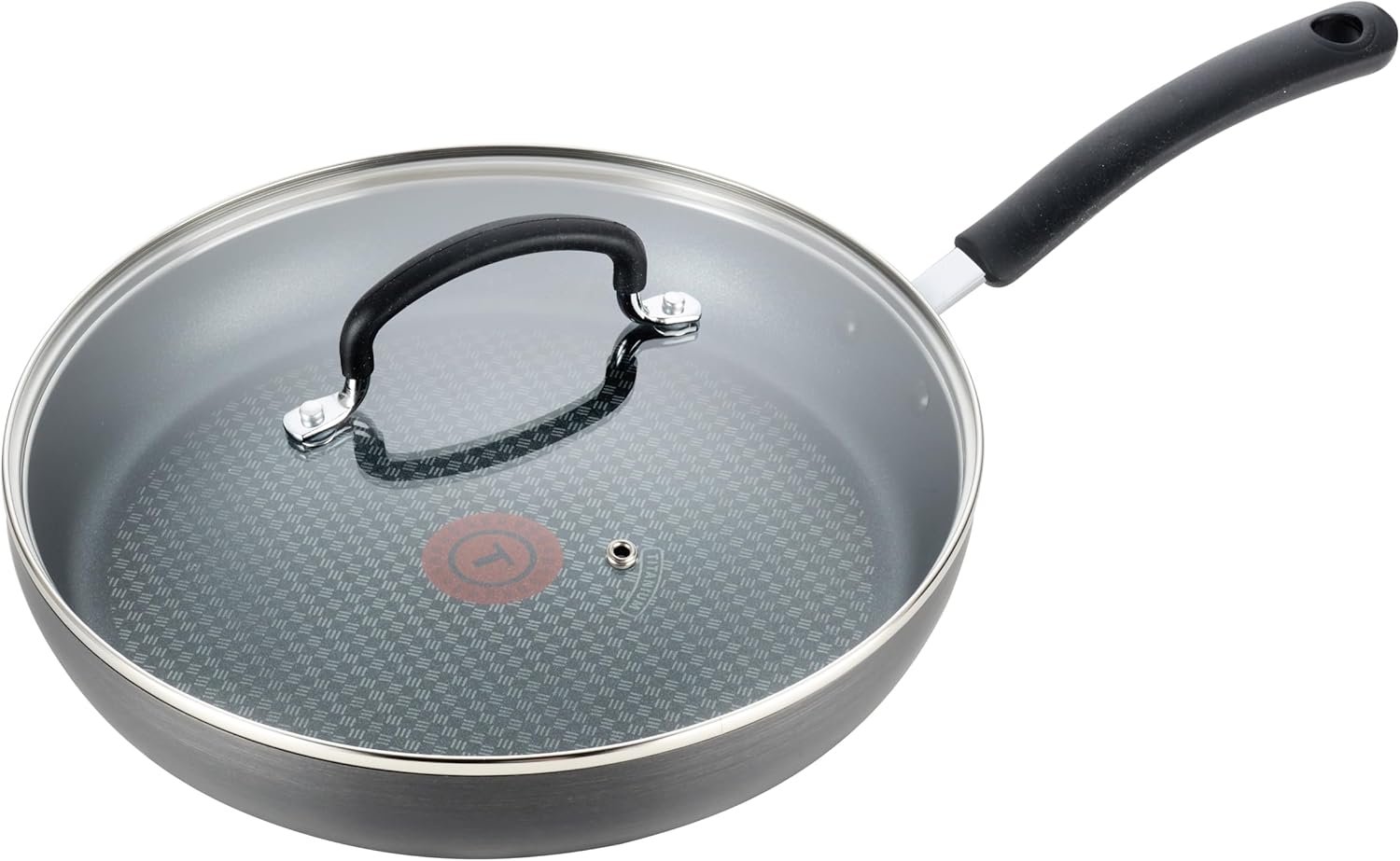
The T-fal nonstick skillet is perfect for beginners who want foolproof cooking. The Thermo-Spot heat indicator shows when the pan is properly preheated, eliminating guesswork. The nonstick surface is incredibly effective—eggs slide right off without sticking.
This pan is oven-safe up to 400°F and works on all cooktops except induction. The handle stays cool during stovetop cooking, and cleanup is as simple as a quick wipe with a sponge.
As a beginner, resist the urge to buy everything at once. Start with these essentials and add pieces as your skills develop. Here’s a recommended timeline:
Month 1: The Absolute Essentials
Chef’s knife
Cutting board
Non-stick skillet
Measuring cups and spoons
Month 2: Expanding Your Toolkit
Mixing bowls
Wooden spoons
Vegetable peeler
Month 3: Completing the Basics
Colander
Can opener
Kitchen shears
This gradual approach prevents overwhelming yourself and allows you to learn each tool before adding more.
How to Care for Your Kitchen Gadgets
Proper care extends the life of your kitchen tools significantly. Here are essential maintenance tips:
Knife Care
Hand wash immediately after use (dishwashers dull blades)
Store on a magnetic strip or in a knife block
Sharpen regularly with a honing steel
Never cut on glass, marble, or ceramic surfaces
Non-Stick Pan Care
Use only silicone, wood, or plastic utensils
Avoid high heat (medium is usually sufficient)
Let cool before washing to prevent warping
Hand wash for longest life
General Maintenance
Oil wooden spoons occasionally with food-grade mineral oil
Replace cutting boards when they develop deep grooves
Check measuring cups for accuracy annually
Deep clean colanders by soaking in vinegar solution
Budget-Friendly Shopping Tips
You don’t need to spend a fortune to set up a functional kitchen. Here are tips to save money:
Start with Amazon Basics: Their kitchen tools are surprisingly good quality at budget prices
Watch for sales: Black Friday and Prime Day offer excellent discounts
Buy in sets: Measuring cups and mixing bowls are cheaper in sets
Check thrift stores: You can find quality stainless steel items for pennies
Read reviews: Always check for durability issues before buying
Budget Tip:
You can get all 10 essential gadgets for under $150 if you choose wisely. That’s a small investment for years of home cooking. Consider it an investment in your health and savings—cooking at home saves the average family over $3,000 per year compared to eating out.
Understanding Materials: What’s Safe and What’s Not
Material quality affects both performance and safety. Here’s what you need to know:
Stainless Steel
The safest and most durable option for cookware and utensils. Look for 18/10 or 18/8 stainless steel for the best quality. It’s non-reactive, meaning it won’t leach chemicals into your food.
BPA-Free Plastics
Modern BPA-free plastics are generally safe for food contact. They’re lightweight and affordable but can absorb odors over time. Check labels to ensure products are food-grade certified.
Silicone
Food-grade silicone is heat-resistant, flexible, and non-toxic. It’s excellent for spatulas, baking mats, and storage containers. Look for FDA-approved or LFGB-certified silicone for the highest safety standards.
Wood
Naturally antibacterial and gentle on knives. Wooden cutting boards and utensils are excellent choices when properly maintained. Avoid if you have allergies to specific woods.
Common Beginner Mistakes (And How to Avoid Them)
Learn from the mistakes of thousands of beginners before you:
Mistake 1: Buying Too Many Gadgets
Solution: Start with our 10 essentials. You can always add more later as your skills develop.
Mistake 2: Choosing Price Over Quality
Solution: Buy the best you can afford for items you’ll use daily (knife, cutting board). Save money on less critical items.
Mistake 3: Ignoring Ergonomics
Solution: Always hold tools before buying. Comfort matters when you’re cooking for 30+ minutes.
Mistake 4: Not Maintaining Tools
Solution: Follow our care guide above. 5 minutes of maintenance adds years to your tools’ life.
Mistake 5: Following Every TikTok Trend
Solution: Viral gadgets are designed to sell, not to be useful. Stick to proven essentials.
Frequently Asked Questions About Kitchen Gadgets for Beginners
What is the most important kitchen gadget for a beginner?
A quality chef’s knife is the single most important tool in any kitchen. It handles 80% of cutting tasks and will improve your cooking experience more than any other gadget. Invest in a good 8-inch chef’s knife first.
How much should a beginner spend on kitchen gadgets?
You can set up a fully functional kitchen with all 10 essentials for $100-150. Don’t feel pressured to buy everything at once—spread purchases over 2-3 months as you develop your cooking skills.
Are expensive kitchen gadgets always better?
No. Many mid-range products outperform expensive ones in testing. Focus on quality materials and good reviews rather than brand names or premium pricing.
Do I need special gadgets for baking?
As a beginner, measuring cups, mixing bowls, and a whisk are sufficient for most baking recipes. You can add specialized tools like a pastry blender or cooling rack as you advance.
How do I know if a kitchen gadget is worth buying?
Ask yourself: “Can I do this task with a tool I already own?” If the answer is yes, skip it. If the gadget saves significant time or improves results, it might be worth adding.
Should I buy kitchen gadgets as gifts for beginners?
Stick to our 10 essentials list. A quality chef’s knife or mixing bowl set makes an excellent, practical gift that will actually be used and appreciated.
How long do quality kitchen gadgets last?
With proper care, quality kitchen gadgets should last 5-10 years. Knives can last a lifetime with regular sharpening. Non-stick pans typically need replacement every 3-5 years.
Are TikTok kitchen gadgets worth the hype?
Most viral kitchen gadgets are designed for views, not functionality. They often break quickly or don’t solve a real problem. Stick with proven essentials until you’re more experienced.
Starting your cooking journey doesn’t require a kitchen full of gadgets. With just these 10 essential tools, you’ll be equipped to handle virtually any recipe. Remember: quality over quantity, versatility over specialization, and comfort over trendiness.
The Victorinox chef’s knife alone will transform your cooking experience. Add the other essentials gradually, and you’ll build a kitchen that grows with your skills.
Happy cooking, and welcome to the wonderful world of home cooking!
Expert Tips for Getting the Most From Your Kitchen Gadgets
For more tips on kitchen efficiency, check out our guide to kitchen tools for busy moms who need quick, efficient solutions.
The Mise en Place Method
Professional chefs use a technique called “mise en place” (everything in its place). Before you start cooking:
Read the entire recipe first
Gather all your ingredients
Pre-measure everything using your measuring cups
Arrange ingredients in order of use
This simple habit prevents mistakes and makes cooking much more enjoyable. Your mixing bowls and measuring cups make this process easy.
Knife Skills 101
You don’t need to be a master chef, but learning these basic cuts will improve your cooking:
Julienne: Thin strips (like matchsticks)
Dice: Small, even cubes
Chiffonade: Thin ribbons of herbs
Brunoise: Very small, precise dice
Watch YouTube tutorials and practice with inexpensive vegetables like carrots and potatoes. Your chef’s knife is the perfect tool for learning.
Creating a Kitchen Workflow
Set up your kitchen for efficiency:
Keep frequently-used items within arm’s reach
Store knives near your cutting station
Keep measuring cups near your prep area
Place mixing bowls where you’ll use them most
Seasonal Considerations for Kitchen Gadgets
Summer Cooking
Focus on your colander (for pasta salads), chef’s knife (for fresh vegetables), and mixing bowls (for cold dishes). Non-stick skillets are perfect for quick summer meals.
Winter and Holiday Cooking
This is when you’ll use all 10 gadgets heavily. Extra mixing bowls are helpful for large batches. Your chef’s knife will handle turkey prep, and measuring cups ensure perfect holiday baking.
Building Your Confidence in the Kitchen
The best kitchen gadget is the one that makes you want to cook. Start simple, master the basics, and gradually expand your skills. Every professional chef started exactly where you are now—with a few essential tools and a willingness to learn.
Don’t compare your kitchen to what you see on social media. Those elaborate setups took years to build. Focus on mastering these 10 essentials, and you’ll be amazed at what you can create.
Remember: the goal isn’t perfection—it’s progress. Every meal you cook is a step forward in your culinary journey. With these must-have kitchen gadgets for beginners, you’re already ahead of the game.
Start with the chef’s knife. Everything else follows from there.
The Science Behind Why These Gadgets Work
Understanding why these specific tools are essential helps you appreciate their value. Each gadget addresses a fundamental need in the cooking process:
Why Sharp Knives Matter
A sharp knife is actually safer than a dull one. When you force a dull knife through food, you apply excessive pressure, which can cause the blade to slip. A sharp knife cuts cleanly with minimal pressure, giving you better control and reducing the risk of cuts. The Victorinox chef’s knife maintains its edge remarkably well, making it ideal for beginners who haven’t learned to sharpen yet.
Why Non-Stick Surfaces Help Beginners
Non-stick pans eliminate one of the biggest frustrations for new cooks: food sticking to the pan. This isn’t just about convenience—it’s about building confidence. When your eggs slide perfectly out of the pan, you feel like a real cook. That positive reinforcement keeps you coming back to the kitchen.
Why Measuring Matters in Baking
Baking is chemistry in action. The ratios of ingredients determine whether your cake rises or falls, whether your bread has the right texture, or whether your cookies spread perfectly. Professional bakers measure by weight (grams), but volume measurements (cups) work well for beginners. Your measuring cups ensure consistency batch after batch.
Advanced Gadgets to Consider as You Progress
Once you’ve mastered the basics, here are gadgets worth adding to your collection:
Six Months In
Instant-Read Thermometer: Takes the guesswork out of meat temperatures. A $15 thermometer prevents undercooked chicken or overdone steak.
Whisk: Essential for incorporating air into eggs and dressings. A balloon whisk works for most tasks.
Spatula (Silicone): Heat-resistant and perfect for scraping every last bit from bowls and jars.
One Year In
Sheet Pans: For roasting vegetables, baking cookies, and one-pan meals. The kitchen workhorse you didn’t know you needed.
Paring Knife: For detail work that’s too delicate for your chef’s knife.
Garlic Press (Optional): If you cook with a lot of garlic, this saves time. Many chefs still prefer mincing with a knife.
Two Years In
Cast Iron Skillet: Heats evenly, retains heat beautifully, and lasts generations. A worthwhile investment once you know how to care for it.
Food Processor: For serious meal prep, chopping large quantities, and making sauces.
Stand Mixer: If you’ve gotten into baking, this saves arm fatigue and produces consistent results.
How to Build a Kitchen You Love
Your kitchen should reflect your personality and cooking style. Here’s how to create a space you enjoy spending time in:
Organization Tips
Store daily-use items at eye level and within reach
Use drawer dividers for utensils and measuring tools
Keep your knife block or magnetic strip visible and accessible
Hang frequently-used pots and pans if counter space is limited
Creating a Cooking Station
Designate one area of your counter as your prep station. Keep your cutting board, knife, and measuring cups in this zone. This creates an efficient workflow and makes cooking feel more professional and organized.
Adding Personal Touches
Once your essentials are in place, add items that make you happy:
Colorful dish towels
A small herb garden on the windowsill
Cookbook stand for your favorite recipes
Quality Bluetooth speaker for cooking music
The Bottom Line: Invest in Yourself
Related reading: Once you’ve mastered the basics, consider upgrading your appliances. See our guides to American-made refrigerators and kitchen range hoods to complete your kitchen transformation.
Learning to cook is one of the most valuable life skills you can develop. It saves money, improves health, and brings joy to daily life. The must-have kitchen gadgets for beginners are tools that support this journey—not replace the need for practice and patience.
Don’t let the overwhelming array of kitchen products stop you from starting. With these 10 essentials, you have everything you need to prepare hundreds of delicious meals. As your skills grow, your gadget collection can grow too.
The kitchen is where memories are made—holiday meals, weeknight family dinners, and late-night snacks with friends. Start building those memories today with the right tools in hand.
Welcome to the world of home cooking. You’ve got this!
Quick Reference: Your Kitchen Gadget Checklist
Print this checklist and check off items as you purchase them:
Total estimated cost: $100-150 for all essentials.
Happy cooking!
About The Spoonist — This site started in a home kitchen, after one too many appliance guides that claimed “months of testing” and read like nobody who cooks weeknight dinners wrote them. If you’ve ever stood in front of a dead listing, a fridge half an inch too wide for its cutout, or a “best air fryer” that failed in month two — that’s who we write for. Every product here is verified against its live Amazon listing before it earns a spot, every spec comes from manufacturer documentation, and where a number isn’t published we say check the listing instead of making it up. How we review · More from The Spoonist
As an Amazon Associate, The Spoonist earns from qualifying purchases. Product prices and availability are accurate as of the date/time indicated on Amazon and are subject to change.
The Complete 2026 Guide to Starting Your Kitchen Right
How These Picks Were Screened
Beginner gear has one test: does it remove a real obstacle, or just fill a drawer? Our four gates. Frequency of use: every pick earns its counter or drawer space by being useful weekly, not yearly. Skill amplification: each gadget makes a beginner cook better immediately — a sharp knife, a reliable pan — rather than replacing a skill they haven’t built yet. Durability per dollar: cheap versions of these tools get replaced within a year; we picked the buy-once versions. Availability: everything ships via Amazon with verified listings.
Must-Have Kitchen Gadgets for Beginners: The Complete 2026 Guide
Also read: Looking for kitchen tools specifically for busy moms? Check our guide to the best kitchen tools for busy moms who need quick, reliable gadgets.
Starting your cooking journey can feel overwhelming. Walk into any kitchen store or browse Amazon, and you’ll find thousands of gadgets claiming to be “essential.” But here’s the truth: most kitchen gadgets are a waste of money. You don’t need a strawberry huller, an avocado slicer, or a banana slicer. What you need are versatile, high-quality tools that will grow with your skills.
This guide cuts through the noise. We’ve researched thousands of Reddit discussions, Amazon reviews, YouTube tutorials, and TikTok kitchen hacks to identify the gadgets that beginners actually need. These are the tools that professional chefs recommend, home cooks swear by, and won’t end up collecting dust in your drawer.
Whether you’re a college student cooking for the first time, a new homeowner setting up your kitchen, or someone who wants to stop ordering takeout every night, this guide is for you. If you’re also looking to upgrade your larger appliances, check our guides on the best electric ranges and stoves or the best gas ranges for your kitchen. We’ll cover exactly what to buy, what to skip, and how to use each tool properly.
Let’s transform you from a kitchen beginner into a confident home cook.
Why Starting With the Right Gadgets Matters
The kitchen gadgets you choose as a beginner will shape your entire cooking experience. Here’s what happens when you start with the wrong tools:
Frustration: Dull knives and flimsy tools make simple tasks difficult
Safety hazards: Poor-quality tools are more likely to slip or break
Wasted money: Cheap gadgets break quickly, costing more long-term
Lost motivation: Bad experiences in the kitchen make you want to give up
Conversely, starting with quality essentials builds confidence. When your knife cuts smoothly, your measuring cups are accurate, and your cutting board stays stable, cooking becomes enjoyable rather than stressful.
The good news? You don’t need to spend hundreds of dollars. We’ve found excellent options at every price point, and many of our top picks are under $30.
After analyzing thousands of reviews and consulting with professional chefs, here are the only 10 kitchen gadgets you need to start cooking with confidence.
If you buy only one kitchen gadget, make it a quality chef’s knife. This is the tool you’ll use for 80% of your cutting tasks. A good chef’s knife can chop vegetables, slice meat, crush garlic, and even scoop ingredients off the cutting board.
What to look for:
8-inch blade (the standard size for most cooks)
High-carbon stainless steel for sharpness retention
Full tang construction for balance and durability
Ergonomic handle that feels comfortable in your hand
Pro tip: Visit a kitchen store and hold several knives before buying. The weight and balance should feel natural. What works for one person might not work for another.
Beginner Mistake to Avoid:
Don’t buy a knife set! Most knife sets include 12+ knives when you’ll only use 2-3 regularly. Invest in one excellent chef’s knife instead of a mediocre set.
A good cutting board is essential for knife safety and protecting your countertops. We recommend having at least two: one for raw meat and one for vegetables. This prevents cross-contamination.
Materials explained:
Plastic: Affordable, dishwasher-safe, but can harbor bacteria in deep knife marks
Wood: Gentle on knives, naturally antibacterial, but requires hand washing
Bamboo: Eco-friendly option, harder than wood, but can dull knives faster
Our recommendation: Start with a large (18×12 inch) plastic cutting board with a juice groove. It’s affordable, easy to clean, and provides plenty of space for beginners.
A good non-stick skillet is a beginner’s best friend. It makes cooking eggs, pancakes, fish, and delicate foods nearly foolproof. Cleanup is also incredibly easy—a huge plus when you’re learning.
Size matters: Get a 10-inch or 12-inch skillet. This size works for most recipes and gives you enough room to cook without overcrowding.
What to look for:
PFOA-free non-stick coating (safer for you and the environment)
Oven-safe to at least 400°F for versatility
Stay-cool handle for comfortable cooking
Heavy base for even heat distribution
Care tip: Never use metal utensils on non-stick surfaces. Invest in silicone or wooden spatulas to extend the life of your pan.
4. Measuring Cups and Spoons: Precision Matters
Baking requires precision. Unlike cooking, where you can improvise, baking is chemistry. Too much or too little of an ingredient can ruin your recipe. A good set of measuring cups and spoons eliminates the guesswork.
What you need:
Dry measuring cups: 1/4, 1/3, 1/2, and 1 cup
Liquid measuring cup: 2-cup capacity with clear markings
Measuring spoons: 1/4 tsp, 1/2 tsp, 1 tsp, 1 tbsp
Pro tip: For dry ingredients, use the “spoon and level” method. Spoon the ingredient into the cup, then level off with a knife. Don’t scoop directly from the bag—it packs too much.
5. Mixing Bowls: The Unsung Heroes
Mixing bowls are incredibly versatile. You’ll use them for mixing batters, marinating meats, serving salads, organizing ingredients (mise en place), and even as double boilers for melting chocolate.
Set recommendation: Get a set of 3 nesting bowls (small, medium, large). Stainless steel or glass options are best—both are durable and easy to clean.
Bonus feature: Look for bowls with non-slip bottoms. They stay stable on the counter while you whisk or mix, preventing spills and messes.
6. Wooden Spoon Set: Simple and Effective
Before you buy expensive silicone or specialty utensils, know that a simple wooden spoon is one of the most versatile tools in the kitchen. It won’t scratch your pans, won’t conduct heat, and can handle everything from stirring soup to mixing cookie dough.
Why wooden spoons are great for beginners:
Naturally antibacterial
Won’t melt or damage non-stick surfaces
Affordable (you can get a quality set for under $10)
Last for years with proper care
7. Vegetable Peeler: Fast and Efficient
A good vegetable peeler saves enormous amounts of time. Forget about struggling with a knife to peel potatoes, carrots, or apples. A sharp peeler makes quick work of any produce.
Types to consider:
Swivel peeler: Most common, great for potatoes and carrots
Y-peeler: Ergonomic design, easier on your wrist
Serrated peeler: Best for soft fruits like tomatoes
8. Colander: Drain Without the Drama
Whether you’re draining pasta, rinsing vegetables, or washing berries, a colander is indispensable. Look for one with small holes that won’t let rice or small pasta escape.
Key features:
Stainless steel for durability and easy cleaning
Non-slip handles for safe draining
Small holes to prevent food from escaping
Fits over your sink for hands-free draining
9. Can Opener: Don’t Forget the Basics
It seems obvious, but many beginners overlook a good can opener. Whether you’re opening beans, tomatoes, or coconut milk, a reliable can opener is essential.
What to look for:
Smooth, ergonomic handle for comfortable grip
Cuts along the side (not the top) for safer edges
Built-in bottle opener for convenience
Dishwasher-safe for easy cleanup
10. Kitchen Shears: The Multi-Tool
Kitchen shears (scissors) are surprisingly versatile. Use them to cut herbs, trim fat from meat, open packaging, cut parchment paper, and even spatchcock a chicken. They’re the Swiss Army knife of the kitchen.
Pro tip: Keep your kitchen shears separate from your regular scissors. Kitchen shears handle raw meat and food, so you don’t want to use them for paper or crafts.
Products We Recommend: Detailed Reviews
[Image: Three recommended kitchen gadgets side by side – chef’s knife, mixing bowls, and non-stick pan]
1. Victorinox Fibrox Pro 8″ Chef’s Knife Best Overall
$34.95 ★★★★★ (35,000+ reviews)
The Victorinox Fibrox Pro is the gold standard for beginner chef’s knives. Used in culinary schools worldwide, this knife delivers professional performance at an unbeatable price. The high-carbon stainless steel blade stays sharp, and the ergonomic Fibrox handle provides excellent grip even when wet.
This knife has earned its long-standing reputation among home cooks. It handles everything from delicate herbs to tough root vegetables with ease. The 8-inch blade is the perfect size for most home cooks—not too long to be unwieldy, not too short to be limiting.
2. OXO Good Grips 3-Piece Mixing Bowl Set Best Value
$24.99 ★★★★★ (8,500+ reviews)
OXO’s mixing bowls are a masterclass in thoughtful design. The non-slip bottoms keep them stable while you mix, and the easy-grip handles make pouring effortless. This 3-piece set includes 1.5-quart, 2.5-quart, and 3.5-quart bowls—perfect for any recipe.
The stainless steel construction is durable and resistant to odors and stains. Unlike plastic bowls, these won’t absorb colors from tomato sauce or curry. They’re also dishwasher-safe, making cleanup a breeze.
The T-fal nonstick skillet is perfect for beginners who want foolproof cooking. The Thermo-Spot heat indicator shows when the pan is properly preheated, eliminating guesswork. The nonstick surface is incredibly effective—eggs slide right off without sticking.
This pan is oven-safe up to 400°F and works on all cooktops except induction. The handle stays cool during stovetop cooking, and cleanup is as simple as a quick wipe with a sponge.
As a beginner, resist the urge to buy everything at once. Start with these essentials and add pieces as your skills develop. Here’s a recommended timeline:
Month 1: The Absolute Essentials
Chef’s knife
Cutting board
Non-stick skillet
Measuring cups and spoons
Month 2: Expanding Your Toolkit
Mixing bowls
Wooden spoons
Vegetable peeler
Month 3: Completing the Basics
Colander
Can opener
Kitchen shears
This gradual approach prevents overwhelming yourself and allows you to learn each tool before adding more.
How to Care for Your Kitchen Gadgets
Proper care extends the life of your kitchen tools significantly. Here are essential maintenance tips:
Knife Care
Hand wash immediately after use (dishwashers dull blades)
Store on a magnetic strip or in a knife block
Sharpen regularly with a honing steel
Never cut on glass, marble, or ceramic surfaces
Non-Stick Pan Care
Use only silicone, wood, or plastic utensils
Avoid high heat (medium is usually sufficient)
Let cool before washing to prevent warping
Hand wash for longest life
General Maintenance
Oil wooden spoons occasionally with food-grade mineral oil
Replace cutting boards when they develop deep grooves
Check measuring cups for accuracy annually
Deep clean colanders by soaking in vinegar solution
Budget-Friendly Shopping Tips
You don’t need to spend a fortune to set up a functional kitchen. Here are tips to save money:
Start with Amazon Basics: Their kitchen tools are surprisingly good quality at budget prices
Watch for sales: Black Friday and Prime Day offer excellent discounts
Buy in sets: Measuring cups and mixing bowls are cheaper in sets
Check thrift stores: You can find quality stainless steel items for pennies
Read reviews: Always check for durability issues before buying
Budget Tip:
You can get all 10 essential gadgets for under $150 if you choose wisely. That’s a small investment for years of home cooking. Consider it an investment in your health and savings—cooking at home saves the average family over $3,000 per year compared to eating out.
Understanding Materials: What’s Safe and What’s Not
Material quality affects both performance and safety. Here’s what you need to know:
Stainless Steel
The safest and most durable option for cookware and utensils. Look for 18/10 or 18/8 stainless steel for the best quality. It’s non-reactive, meaning it won’t leach chemicals into your food.
BPA-Free Plastics
Modern BPA-free plastics are generally safe for food contact. They’re lightweight and affordable but can absorb odors over time. Check labels to ensure products are food-grade certified.
Silicone
Food-grade silicone is heat-resistant, flexible, and non-toxic. It’s excellent for spatulas, baking mats, and storage containers. Look for FDA-approved or LFGB-certified silicone for the highest safety standards.
Wood
Naturally antibacterial and gentle on knives. Wooden cutting boards and utensils are excellent choices when properly maintained. Avoid if you have allergies to specific woods.
Common Beginner Mistakes (And How to Avoid Them)
Learn from the mistakes of thousands of beginners before you:
Mistake 1: Buying Too Many Gadgets
Solution: Start with our 10 essentials. You can always add more later as your skills develop.
Mistake 2: Choosing Price Over Quality
Solution: Buy the best you can afford for items you’ll use daily (knife, cutting board). Save money on less critical items.
Mistake 3: Ignoring Ergonomics
Solution: Always hold tools before buying. Comfort matters when you’re cooking for 30+ minutes.
Mistake 4: Not Maintaining Tools
Solution: Follow our care guide above. 5 minutes of maintenance adds years to your tools’ life.
Mistake 5: Following Every TikTok Trend
Solution: Viral gadgets are designed to sell, not to be useful. Stick to proven essentials.
Frequently Asked Questions About Kitchen Gadgets for Beginners
What is the most important kitchen gadget for a beginner?
A quality chef’s knife is the single most important tool in any kitchen. It handles 80% of cutting tasks and will improve your cooking experience more than any other gadget. Invest in a good 8-inch chef’s knife first.
How much should a beginner spend on kitchen gadgets?
You can set up a fully functional kitchen with all 10 essentials for $100-150. Don’t feel pressured to buy everything at once—spread purchases over 2-3 months as you develop your cooking skills.
Are expensive kitchen gadgets always better?
No. Many mid-range products outperform expensive ones in testing. Focus on quality materials and good reviews rather than brand names or premium pricing.
Do I need special gadgets for baking?
As a beginner, measuring cups, mixing bowls, and a whisk are sufficient for most baking recipes. You can add specialized tools like a pastry blender or cooling rack as you advance.
How do I know if a kitchen gadget is worth buying?
Ask yourself: “Can I do this task with a tool I already own?” If the answer is yes, skip it. If the gadget saves significant time or improves results, it might be worth adding.
Should I buy kitchen gadgets as gifts for beginners?
Stick to our 10 essentials list. A quality chef’s knife or mixing bowl set makes an excellent, practical gift that will actually be used and appreciated.
How long do quality kitchen gadgets last?
With proper care, quality kitchen gadgets should last 5-10 years. Knives can last a lifetime with regular sharpening. Non-stick pans typically need replacement every 3-5 years.
Are TikTok kitchen gadgets worth the hype?
Most viral kitchen gadgets are designed for views, not functionality. They often break quickly or don’t solve a real problem. Stick with proven essentials until you’re more experienced.
Starting your cooking journey doesn’t require a kitchen full of gadgets. With just these 10 essential tools, you’ll be equipped to handle virtually any recipe. Remember: quality over quantity, versatility over specialization, and comfort over trendiness.
The Victorinox chef’s knife alone will transform your cooking experience. Add the other essentials gradually, and you’ll build a kitchen that grows with your skills.
Happy cooking, and welcome to the wonderful world of home cooking!
Expert Tips for Getting the Most From Your Kitchen Gadgets
For more tips on kitchen efficiency, check out our guide to kitchen tools for busy moms who need quick, efficient solutions.
The Mise en Place Method
Professional chefs use a technique called “mise en place” (everything in its place). Before you start cooking:
Read the entire recipe first
Gather all your ingredients
Pre-measure everything using your measuring cups
Arrange ingredients in order of use
This simple habit prevents mistakes and makes cooking much more enjoyable. Your mixing bowls and measuring cups make this process easy.
Knife Skills 101
You don’t need to be a master chef, but learning these basic cuts will improve your cooking:
Julienne: Thin strips (like matchsticks)
Dice: Small, even cubes
Chiffonade: Thin ribbons of herbs
Brunoise: Very small, precise dice
Watch YouTube tutorials and practice with inexpensive vegetables like carrots and potatoes. Your chef’s knife is the perfect tool for learning.
Creating a Kitchen Workflow
Set up your kitchen for efficiency:
Keep frequently-used items within arm’s reach
Store knives near your cutting station
Keep measuring cups near your prep area
Place mixing bowls where you’ll use them most
Seasonal Considerations for Kitchen Gadgets
Summer Cooking
Focus on your colander (for pasta salads), chef’s knife (for fresh vegetables), and mixing bowls (for cold dishes). Non-stick skillets are perfect for quick summer meals.
Winter and Holiday Cooking
This is when you’ll use all 10 gadgets heavily. Extra mixing bowls are helpful for large batches. Your chef’s knife will handle turkey prep, and measuring cups ensure perfect holiday baking.
Building Your Confidence in the Kitchen
The best kitchen gadget is the one that makes you want to cook. Start simple, master the basics, and gradually expand your skills. Every professional chef started exactly where you are now—with a few essential tools and a willingness to learn.
Don’t compare your kitchen to what you see on social media. Those elaborate setups took years to build. Focus on mastering these 10 essentials, and you’ll be amazed at what you can create.
Remember: the goal isn’t perfection—it’s progress. Every meal you cook is a step forward in your culinary journey. With these must-have kitchen gadgets for beginners, you’re already ahead of the game.
Start with the chef’s knife. Everything else follows from there.
The Science Behind Why These Gadgets Work
Understanding why these specific tools are essential helps you appreciate their value. Each gadget addresses a fundamental need in the cooking process:
Why Sharp Knives Matter
A sharp knife is actually safer than a dull one. When you force a dull knife through food, you apply excessive pressure, which can cause the blade to slip. A sharp knife cuts cleanly with minimal pressure, giving you better control and reducing the risk of cuts. The Victorinox chef’s knife maintains its edge remarkably well, making it ideal for beginners who haven’t learned to sharpen yet.
Why Non-Stick Surfaces Help Beginners
Non-stick pans eliminate one of the biggest frustrations for new cooks: food sticking to the pan. This isn’t just about convenience—it’s about building confidence. When your eggs slide perfectly out of the pan, you feel like a real cook. That positive reinforcement keeps you coming back to the kitchen.
Why Measuring Matters in Baking
Baking is chemistry in action. The ratios of ingredients determine whether your cake rises or falls, whether your bread has the right texture, or whether your cookies spread perfectly. Professional bakers measure by weight (grams), but volume measurements (cups) work well for beginners. Your measuring cups ensure consistency batch after batch.
Advanced Gadgets to Consider as You Progress
Once you’ve mastered the basics, here are gadgets worth adding to your collection:
Six Months In
Instant-Read Thermometer: Takes the guesswork out of meat temperatures. A $15 thermometer prevents undercooked chicken or overdone steak.
Whisk: Essential for incorporating air into eggs and dressings. A balloon whisk works for most tasks.
Spatula (Silicone): Heat-resistant and perfect for scraping every last bit from bowls and jars.
One Year In
Sheet Pans: For roasting vegetables, baking cookies, and one-pan meals. The kitchen workhorse you didn’t know you needed.
Paring Knife: For detail work that’s too delicate for your chef’s knife.
Garlic Press (Optional): If you cook with a lot of garlic, this saves time. Many chefs still prefer mincing with a knife.
Two Years In
Cast Iron Skillet: Heats evenly, retains heat beautifully, and lasts generations. A worthwhile investment once you know how to care for it.
Food Processor: For serious meal prep, chopping large quantities, and making sauces.
Stand Mixer: If you’ve gotten into baking, this saves arm fatigue and produces consistent results.
How to Build a Kitchen You Love
Your kitchen should reflect your personality and cooking style. Here’s how to create a space you enjoy spending time in:
Organization Tips
Store daily-use items at eye level and within reach
Use drawer dividers for utensils and measuring tools
Keep your knife block or magnetic strip visible and accessible
Hang frequently-used pots and pans if counter space is limited
Creating a Cooking Station
Designate one area of your counter as your prep station. Keep your cutting board, knife, and measuring cups in this zone. This creates an efficient workflow and makes cooking feel more professional and organized.
Adding Personal Touches
Once your essentials are in place, add items that make you happy:
Colorful dish towels
A small herb garden on the windowsill
Cookbook stand for your favorite recipes
Quality Bluetooth speaker for cooking music
The Bottom Line: Invest in Yourself
Related reading: Once you’ve mastered the basics, consider upgrading your appliances. See our guides to American-made refrigerators and kitchen range hoods to complete your kitchen transformation.
Learning to cook is one of the most valuable life skills you can develop. It saves money, improves health, and brings joy to daily life. The must-have kitchen gadgets for beginners are tools that support this journey—not replace the need for practice and patience.
Don’t let the overwhelming array of kitchen products stop you from starting. With these 10 essentials, you have everything you need to prepare hundreds of delicious meals. As your skills grow, your gadget collection can grow too.
The kitchen is where memories are made—holiday meals, weeknight family dinners, and late-night snacks with friends. Start building those memories today with the right tools in hand.
Welcome to the world of home cooking. You’ve got this!
Quick Reference: Your Kitchen Gadget Checklist
Print this checklist and check off items as you purchase them:
Total estimated cost: $100-150 for all essentials.
Happy cooking!
About The Spoonist — This site started in a home kitchen, after one too many appliance guides that claimed “months of testing” and read like nobody who cooks weeknight dinners wrote them. If you’ve ever stood in front of a dead listing, a fridge half an inch too wide for its cutout, or a “best air fryer” that failed in month two — that’s who we write for. Every product here is verified against its live Amazon listing before it earns a spot, every spec comes from manufacturer documentation, and where a number isn’t published we say check the listing instead of making it up. How we review · More from The Spoonist
As an Amazon Associate, The Spoonist earns from qualifying purchases. Product prices and availability are accurate as of the date/time indicated on Amazon and are subject to change.
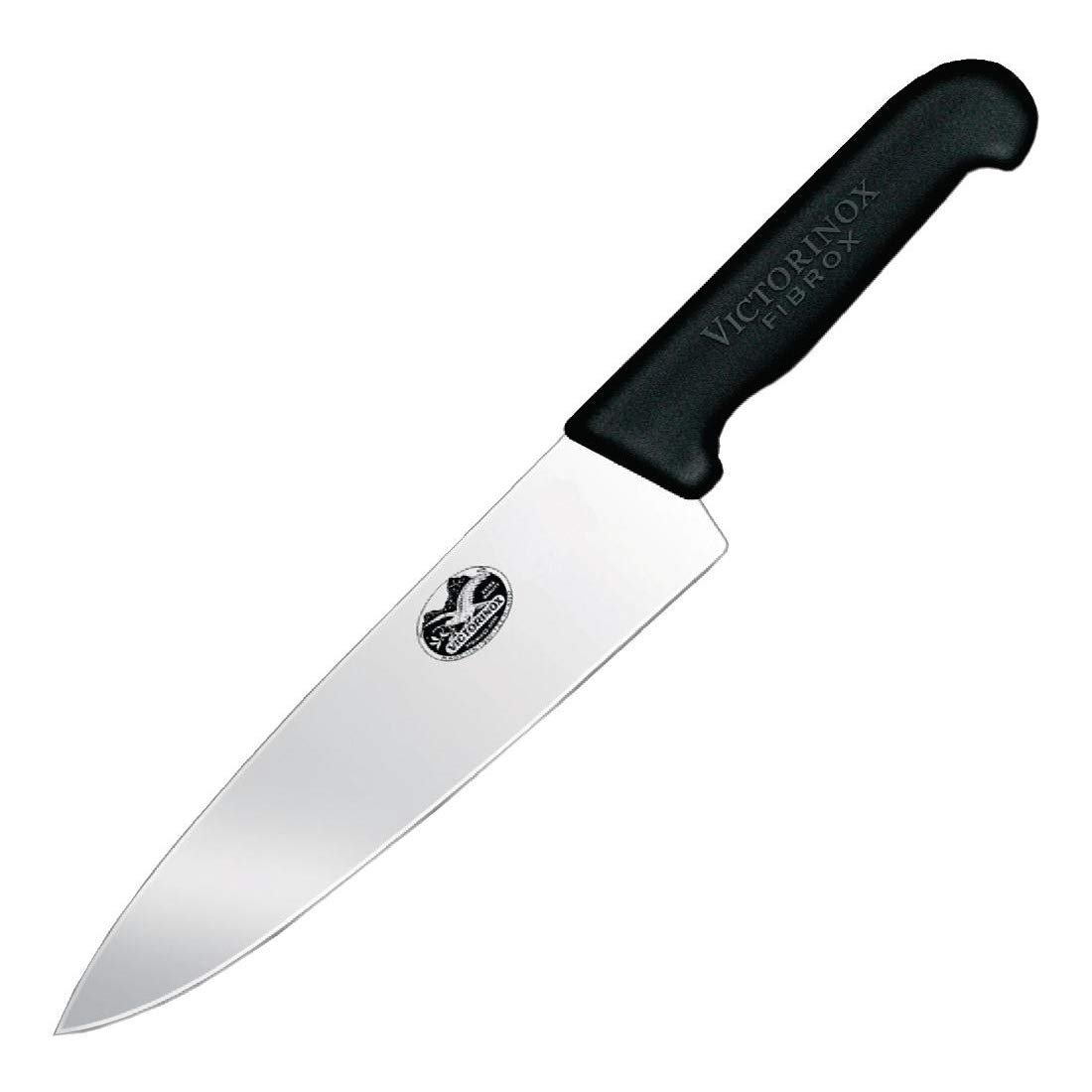 Pick #1Best overall pickCheck Price on Amazon
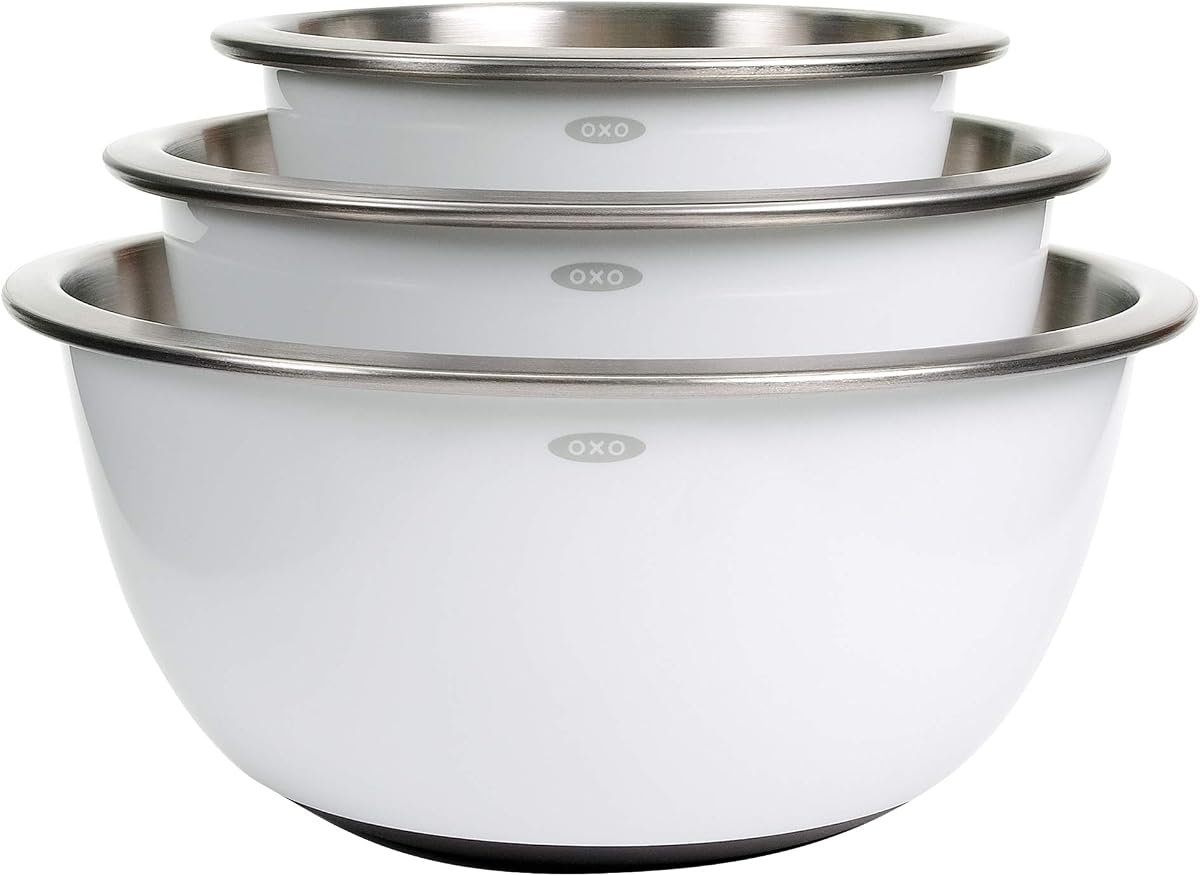 Pick #2Best value for moneyCheck Price on Amazon
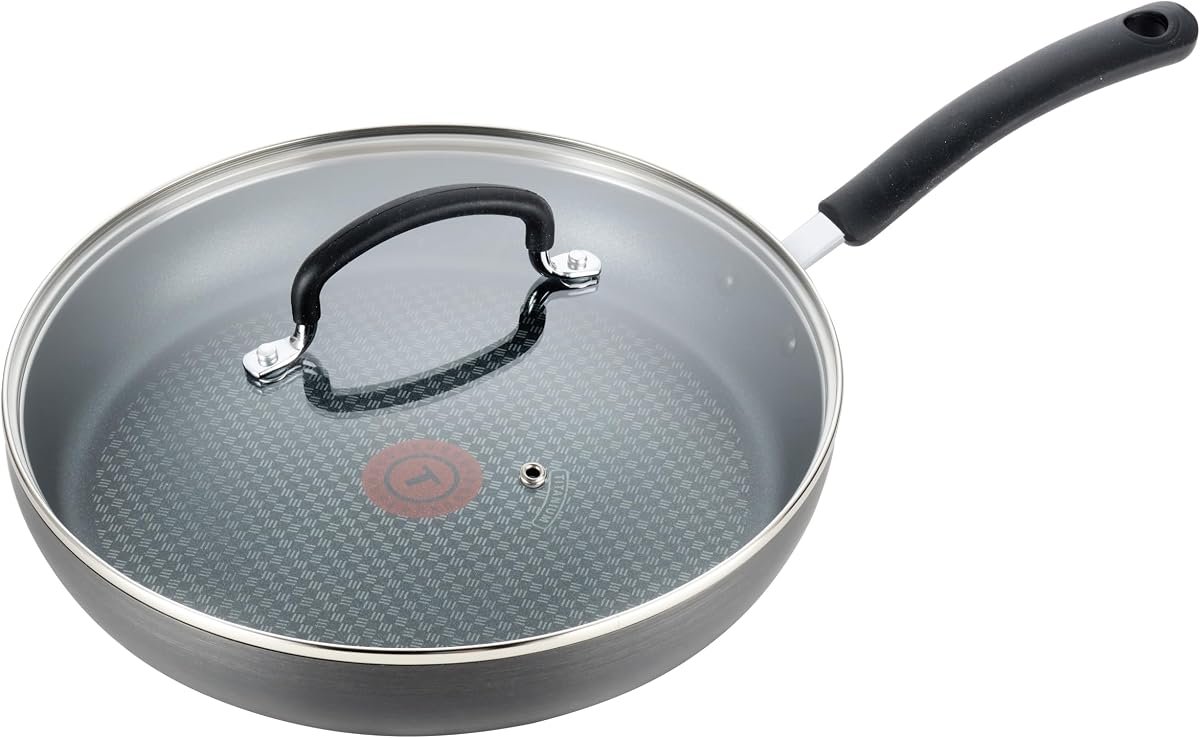 Pick #3Best premium pickCheck Price on Amazon