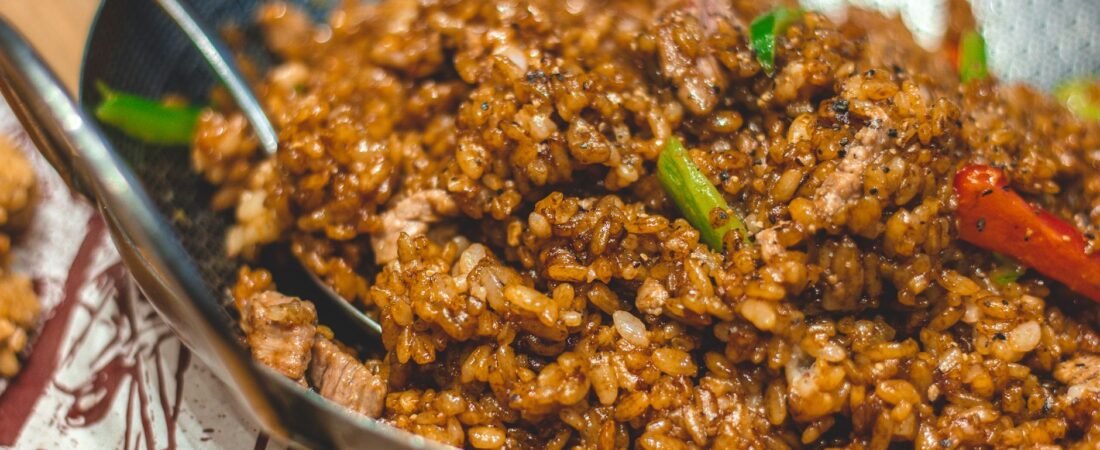
🏆 Top Picks — Quick View
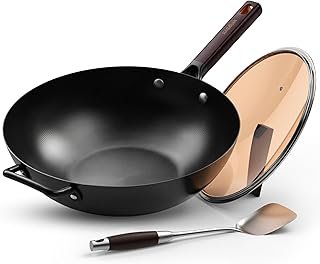 13.5" Pre-Seasoned Flat Bottom Carbon Steel Wok with Lid and SpatulaBest overall pick · $39.99Check Price on Amazon
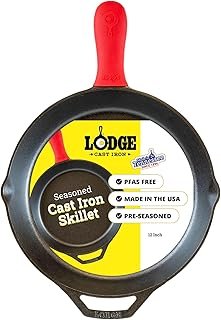 Lodge Pre-Seasoned Cast Iron Skillet 12 Inch (with Silicone Handle Holder)Best value for money · $34.90Check Price on Amazon
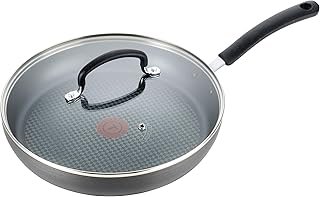 T-fal Ultimate Hard Anodized Nonstick Fry Pan 12 Inch (with Lid)Best premium pick · $54.99Check Price on Amazon
Key takeaways: Fried rice is forgiving, but the pan you choose changes the texture of every grain. The three pans below cover the most common approaches: a carbon steel wok for high-heat tossing, a cast iron skillet for deep-browning in a familiar shape, and a hard anodized nonstick fry pan for an easy-cleanup weekday option. Pricing and ratings reflect each product’s Amazon listing on 2026-09-01.
Fried rice is one of those dishes where the recipe gets all the credit, but the pan does a lot of the actual work.
Hot surface, fast evaporation, enough room to toss the rice without steam-drowning it – those are the conditions that turn a bowl of rice into the glossy, slightly chewy, faintly smoky thing you’re after.
Most home kitchens don’t have a jet burner, which means the right pan matters even more.
This guide looks at how to evaluate a pan for fried rice using three very different options. There is no single “best” answer; the right pick depends on your stove, your cooking style, and how much cleanup you can tolerate. We’ll walk through what each design does well, where it falls short, and which kind of cook each one suits.
What makes a good fried-rice pan?
Before looking at specific products, it helps to separate the marketing from the mechanics. A pan for fried rice needs three things: heat tolerance, surface area, and something you can move the rice around with.
Heat tolerance. Fried rice wants to be cooked hot and fast. Pans that warp, lose seasoning, or release coatings at high heat are working against you. Look for materials marketed for high-heat or restaurant-style cooking, and check the upper-temperature claim on the listing if you plan to finish in the oven or under a broiler.
Surface area. Rice that piles up steams. You want enough flat (or gently curved) area to spread a portion of rice out in a thin layer so moisture flashes off. Pans in the 12 to 14-inch range are the sweet spot for a normal home batch; smaller pans force you to cook in multiple rounds.
Maneuverability. This is the part most reviews skip. The pan shape changes how you move the food. Sloped sides (a wok) let you push and scoop with a simple spatula. Straight sides (a skillet or fry pan) keep things contained but ask for a flipping motion instead. Neither is wrong; they’re just different techniques.
Product 1: 13.5″ Pre-Seasoned Flat Bottom Carbon Steel Wok with Lid and Spatula
Carbon steel is the traditional restaurant wok material for a reason. It heats up quickly, tolerates very high burner output, and develops a natural patina over time that becomes more non-stick the more you cook on it. This 13.5-inch flat-bottom model is shaped to sit directly on a Western home stove without a wok ring, which is the practical compromise most home cooks need.
Why it works for fried rice
The sloped sides let you scoop, flip, and push rice up the walls without it spilling over. Fried rice is essentially a stir-fry of rice, and stir-fries were designed around this shape. The flat bottom still gives you a wide hot zone in the middle where you can let rice sit undisturbed for a few seconds to develop a little crust.
What to consider
Carbon steel is not non-stick out of the box. The included spatula and lid are useful, but the pan itself arrives “pre-seasoned,” meaning it has a light factory seasoning you’ll want to build on with your first few cooks. Egg-fried rice with plenty of oil is the classic way to do that. If low-maintenance is your top priority, this is not the easiest option on the list.
- Large 13.5-inch diameter gives generous room for tossing
- Flat bottom works on a standard home stove without a ring
- Comes with a lid and spatula in the box
- Natural non-stick surface that improves with use
- 4.3-star listing rating is the lowest of the three options in this guide
- Requires seasoning upkeep; not as forgiving as a true nonstick coating
- Sloped sides mean less flat cooking area than a skillet the same diameter
Product 2: Lodge Pre-Seasoned Cast Iron Skillet 12 Inch (with Silicone Handle Holder)
The 12-inch Lodge is a workhorse skillet, and it has the highest combined listing rating and lowest price in this comparison. Cast iron holds heat like nothing else, which is exactly what you want when you’re trying to get a thin layer of rice to sizzle instead of steam. The included silicone handle holder is a thoughtful add-on for a pan that otherwise gets very hot, very fast.
Why it works for fried rice
Cast iron’s thermal mass is its superpower for this dish. Drop a handful of cold rice onto a properly preheated cast iron pan and it stays hot – the rice starts toasting immediately rather than waiting for the surface to recover.
For fried rice with crispy bits or a serious sear on the egg, this is a meaningful advantage. The 12-inch size is also enough to cook a full family portion in one go without crowding.
What to consider
Cast iron is heavy, and it demands the same kind of care as carbon steel: dry it thoroughly after washing, oil it lightly, and don’t leave acidic sauces sitting in it for hours. The straight sides also mean you’ll be flipping and folding with the spatula rather than tossing up the walls. Many cooks prefer that more controlled motion; others find it slower than a wok.
- 4.7-star listing rating, tied for highest in this guide
- Lowest-priced option at $34.90
- Excellent heat retention for crisping and browning
- Comes with a silicone handle holder for safer handling
- PFAS-free, naturally non-toxic per the listing description
- Heavy; not ideal if weight is a concern
- Slower to preheat than carbon steel or thin aluminum pans
- Same seasoning maintenance as a carbon steel wok
Product 3: T-fal Ultimate Hard Anodized Nonstick Fry Pan 12 Inch (with Lid)
If “I just want it to come clean in a minute” is your top priority, a hard anodized nonstick fry pan is the obvious shape.
The 12-inch T-fal Ultimate is built for everyday cooking: a nonstick coating that releases fried rice easily, a flat bottom, and a lid for the moments when you do want to cover the pan.
The listing also describes it as oven-broiler safe, which adds versatility for finishing dishes.
Why it works for fried rice
Nonstick is the path of least resistance. Less oil, less sticking, faster cleanup, and a forgiving surface if you’re still learning how rice should move in a hot pan.
The hard anodized body (a thicker, treated aluminum) is more durable than bare aluminum and distributes heat reasonably well across the 12-inch surface. For weeknight fried rice where speed and simplicity matter more than a restaurant-style sear, this is a sensible pick.
What to consider
Nonstick coatings are the trade-off. They make cooking easier but don’t reward the same ultra-high-heat treatment that carbon steel and cast iron do. If you push a nonstick pan hard with no oil and a screaming burner, you shorten the coating’s life.
Also, the listed price of $54.99 is the highest of the three options here, even though two of those (the Lodge and this one) share the same 4.7-star listing rating.
- 4.7-star listing rating, tied for highest in this guide
- Nonstick coating is the easiest cleanup option in this comparison
- Comes with a lid
- Listing describes it as oven-broiler safe
- Most expensive option at $54.99
- Nonstick coating has a shorter functional life than bare steel or iron
- Doesn’t tolerate the same searing temperatures as the other two
Comparison table
| Product | Price (2026-09-01) | Listing Rating | Size | Material | Includes Lid | Best For |
|---|---|---|---|---|---|---|
| 13.5″ Carbon Steel Wok (flat bottom) | $39.99 | 4.3 | 13.5 in | Carbon steel, pre-seasoned | Yes | High-heat stir-fry technique |
| Lodge Cast Iron Skillet (12″) | $34.90 | 4.7 | 12 in | Cast iron, pre-seasoned | No | Deep browning, crispy bits |
| T-fal Hard Anodized Nonstick Fry Pan (12″) | $54.99 | 4.7 | 12 in | Hard anodized with nonstick coating | Yes | Easy cleanup, low-oil cooking |
How to choose between them
Reading the table, the easiest way to make a decision is to decide which trade-off you care about most.
You want the most authentic technique and don’t mind maintenance. The carbon steel wok is the traditional answer. Its sloped sides and quick heat-up are designed for the tossing motion that defines fried rice. The 4.3-star listing rating is the only number here that’s lower than the others, so read the reviews before you buy.
You want a great all-rounder at the lowest price. The 12-inch Lodge is the strongest value in the group at $34.90 with a 4.7-star listing rating. It’s heavier and slower to preheat, but it browns beautifully and will outlast nearly every nonstick pan you’ll ever own. It also doesn’t come with a lid, so if you like to cover the pan, plan for that.
You want weeknight-friendly and easy cleanup. The T-fal hard anodized nonstick fry pan is the most expensive of the three but rewards you with the simplest cooking experience. Use it on medium to medium-high heat rather than maximum, and the coating will last longer. Oven-broiler compatibility is a nice bonus if you ever want to finish a rice dish under direct heat.
Specs and details worth checking on the listing
Every buying guide should pause here, because the listing is the source of truth on specs.
Wattage, exact upper-temperature limits, dishwasher safety, induction compatibility, and the specific coating used on the T-fal pan are not stated in this product data, so we won’t guess at them.
Before you click through, take a moment to read the product page itself for those exact numbers – especially if your cooktop is induction, since compatibility varies by model.
Frequently asked questions
Do I need a wok to make fried rice?
No. Fried rice was popularized in wok kitchens, but the technique – hot pan, fast tossing, dry rice – works in a flat-bottomed skillet too. The wok just makes the tossing motion easier. If you already own a 12-inch skillet and like how it browns, use it.
Is nonstick okay for fried rice?
Yes, with a small adjustment in heat. Nonstick coatings degrade faster when they’re run at maximum burner output with little or no oil. For nonstick fried rice, use medium to medium-high heat and a tablespoon or two of oil, and you’ll get reliable results without shortening the pan’s life.
How important is pan size?
It’s the most underrated part of the choice. A 10-inch pan forces you to cook fried rice in two or three rounds, and each round cools the pan down. A 12-inch or 13.5-inch pan lets you do a full portion in one go at the temperature you actually want.
Should I season a new carbon steel or cast iron pan before first use?
Both pans in this guide ship pre-seasoned, so they’re usable right away. A first cook with something fatty – egg fried rice is the canonical choice – does double duty: it gives you dinner and it adds another layer of seasoning at the same time.
Bottom line
The “best” pan for fried rice is the one that matches your stove, your hand, and how much cleanup you’re willing to do. The carbon steel wok is the classic answer for cooks who want the technique.
The Lodge cast iron skillet is the value pick with the strongest listing rating per dollar. The T-fal hard anodized nonstick is the easy, low-fuss choice when you want fried rice on the table without scrubbing the pan afterwards.
Pick the trade-off you can live with; the rice will reward you either way.
Related Guides
- Best Air Fryer for Chicken Wings (2026)
- Best Kitchen Tools for Busy Moms (2026)
- Best Air Fryer Accessories (2026)
As an Amazon Associate, The Spoonist earns from qualifying purchases. Product prices and availability are accurate as of the date/time indicated on Amazon and are subject to change.